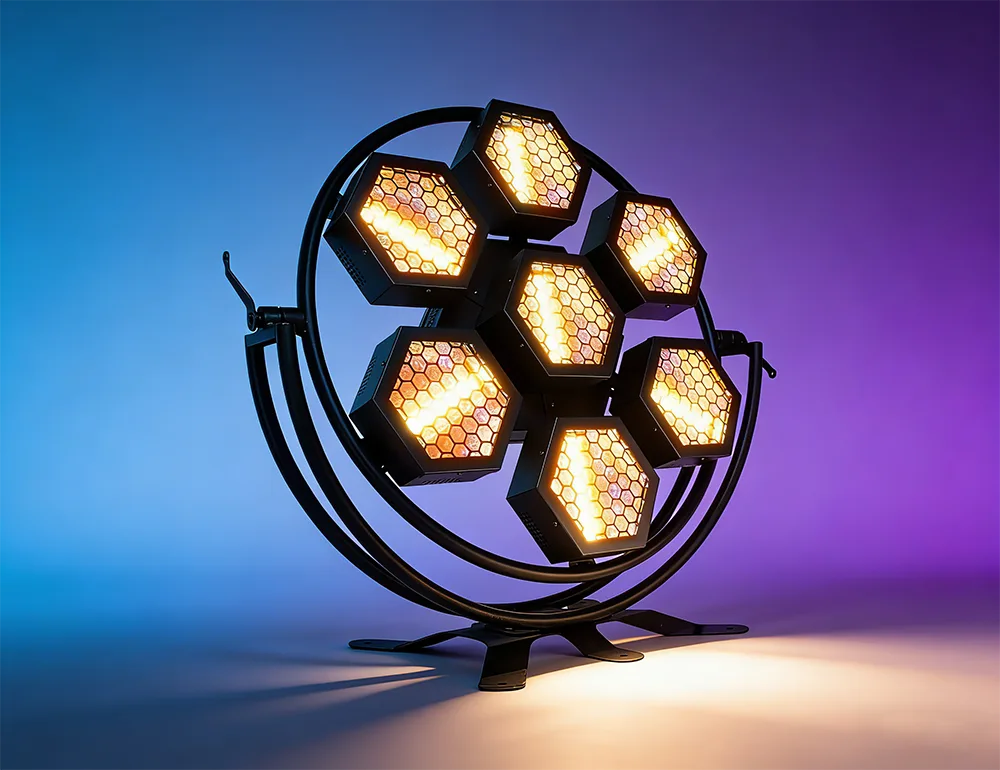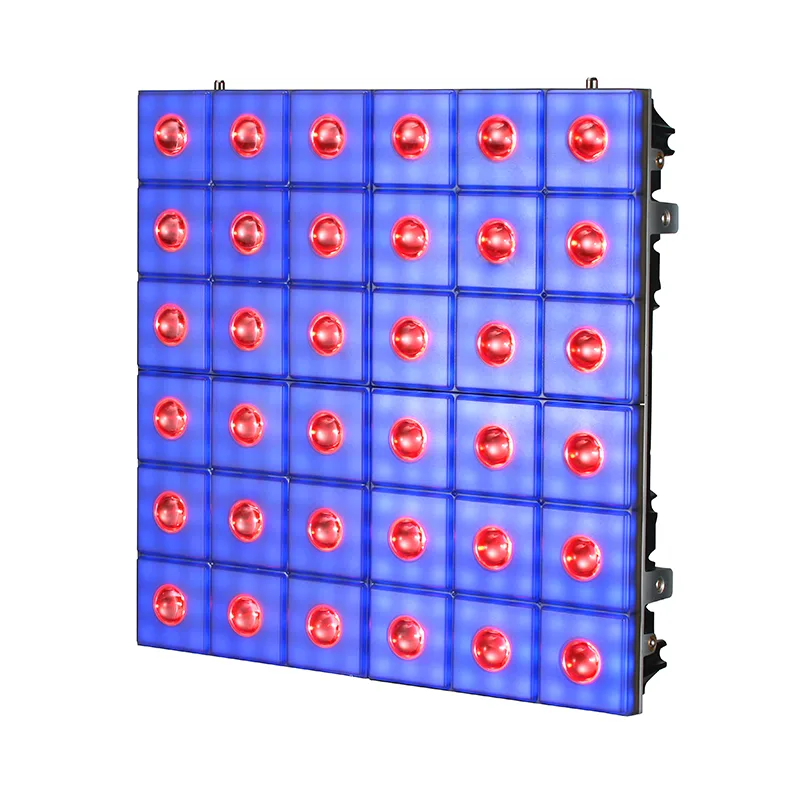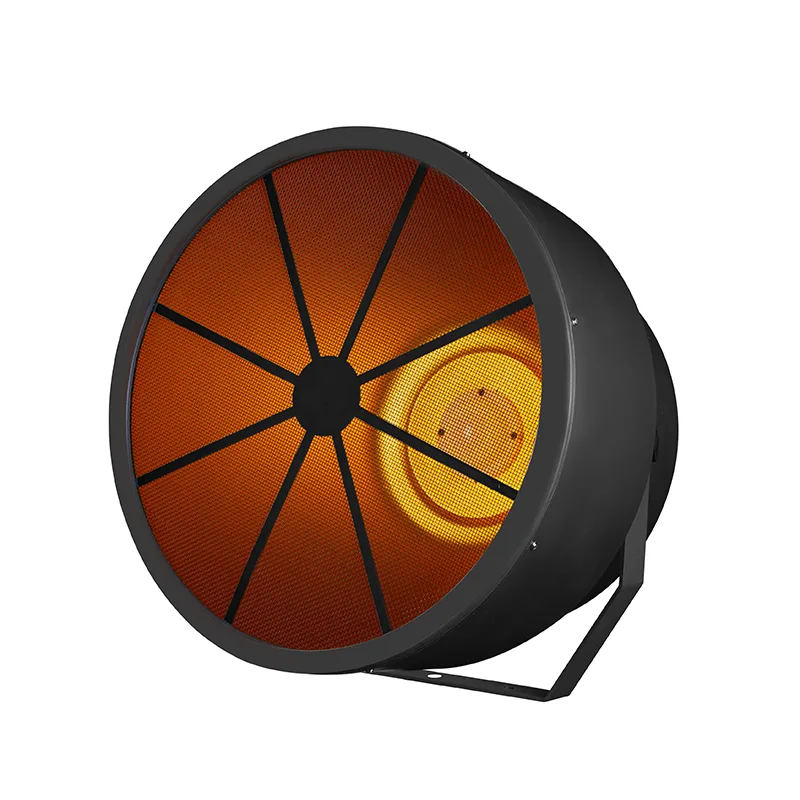

How Do LED Pixel Ceiling Lights Transform Modern Interior Spaces?
LED Pixel Ceiling Lights are rapidly becoming a preferred lighting solution in residential, commercial, and creative environments. This comprehensive guide explores how they work, their benefits, installation methods, design flexibility, and how to choose the right solution. Whether you're a homeowner, architect, or business owner, this article addresses real-world concerns such as cost efficiency, customization, and long-term reliability.

Table of Contents
- 1. What Are LED Pixel Ceiling Lights?
- 2. Why Are LED Pixel Ceiling Lights Gaining Popularity?
- 3. How Do LED Pixel Ceiling Lights Work?
- 4. Key Benefits for Different Applications
- 5. Common Customer Pain Points and Solutions
- 6. Design Possibilities and Creative Uses
- 7. Technical Specifications Explained
- 8. Installation Guide and Best Practices
- 9. Comparison with Traditional Lighting
- 10. Maintenance and Longevity
- 11. How to Choose the Right LED Pixel Ceiling Light
- 12. Future Trends in Smart Lighting
- 13. FAQ
1. What Are LED Pixel Ceiling Lights?
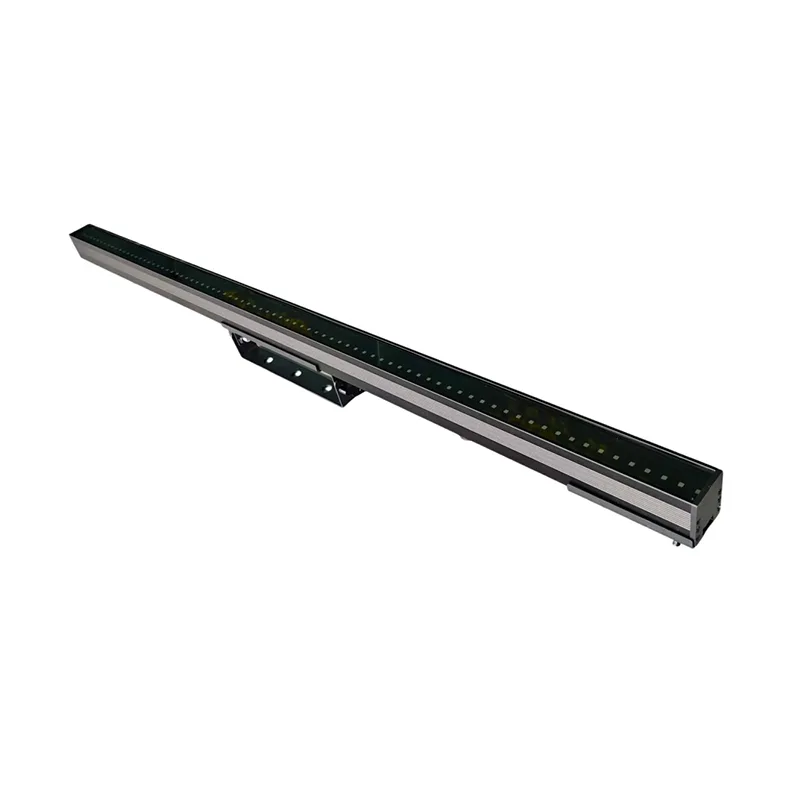
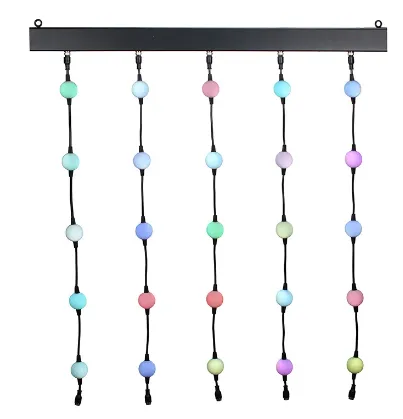
LED Pixel Ceiling Lights are modular lighting systems composed of individually controllable LED nodes. Each “pixel” can be programmed to emit different colors, brightness levels, and dynamic patterns, allowing for highly customized lighting effects.
Unlike conventional ceiling lights, which provide static illumination, pixel lighting transforms ceilings into interactive visual displays. These systems are widely used in modern homes, shopping malls, hotels, entertainment venues, and even offices.
2. Why Are LED Pixel Ceiling Lights Gaining Popularity?
The surge in popularity is driven by the demand for immersive environments and smart living solutions. Consumers no longer want just lighting—they want atmosphere, mood, and control.
- Increased adoption of smart home systems
- Growing emphasis on interior aesthetics
- Energy efficiency requirements
- Demand for customizable environments
These factors make LED pixel lighting an ideal solution for both functional and decorative purposes.
3. How Do LED Pixel Ceiling Lights Work?
Each LED pixel contains a small chip that can be individually addressed via a controller. These controllers communicate with software or mobile apps, allowing users to program lighting sequences.
Core components include:
- LED pixel modules
- Controller (DMX, SPI, or Wi-Fi based)
- Power supply
- Control software or mobile app
The system works by sending signals to each pixel, enabling synchronized animations such as waves, gradients, or reactive lighting effects.
4. Key Benefits for Different Applications
| Application | Benefits |
|---|---|
| Residential | Custom ambiance, smart control, aesthetic appeal |
| Commercial | Brand enhancement, customer engagement |
| Hospitality | Luxury atmosphere, mood lighting |
| Entertainment | Dynamic effects, immersive experiences |
5. Common Customer Pain Points and Solutions
Pain Point 1: High Initial Cost
Solution: While upfront costs may be higher, energy savings and durability significantly reduce long-term expenses.
Pain Point 2: Complex Installation
Solution: Modular designs and professional support simplify installation.
Pain Point 3: Compatibility Issues
Solution: Choose systems with universal protocols such as DMX or Wi-Fi integration.
Pain Point 4: Maintenance Concerns
Solution: High-quality LED systems have lifespans exceeding 50,000 hours.
6. Design Possibilities and Creative Uses
- Starry sky ceilings in bedrooms
- Interactive ceilings in retail stores
- Dynamic color-changing patterns in clubs
- Corporate branding visuals in offices
The flexibility of LED pixel systems allows designers to create unique visual experiences that were previously impossible.
7. Technical Specifications Explained
| Parameter | Description |
|---|---|
| Pixel Pitch | Distance between LEDs, affecting resolution |
| Brightness | Measured in lumens or nits |
| Control Protocol | DMX, SPI, or wireless systems |
| Power Consumption | Energy usage per module |
8. Installation Guide and Best Practices
- Plan layout and pixel density in advance
- Ensure proper power distribution
- Use reliable controllers and software
- Test system before final installation
Professional installation is recommended for large-scale projects to ensure safety and optimal performance.
9. Comparison with Traditional Lighting
| Feature | LED Pixel Ceiling Light | Traditional Lighting |
|---|---|---|
| Customization | High | Low |
| Energy Efficiency | Excellent | Moderate |
| Visual Impact | Dynamic | Static |
| Control | Smart/App-based | Manual |
10. Maintenance and Longevity
LED pixel systems are designed for durability. Regular maintenance includes:
- Checking connections
- Cleaning surfaces
- Updating control software
With proper care, these systems can last over a decade.
11. How to Choose the Right LED Pixel Ceiling Light
- Define your purpose (decorative vs functional)
- Consider pixel density
- Check compatibility with existing systems
- Evaluate supplier reputation
Working with a trusted manufacturer like Foshan AK Lighting Co., Ltd. ensures quality, customization, and reliable support.
12. Future Trends in Smart Lighting
The future of LED pixel lighting includes:
- AI-driven lighting automation
- Integration with IoT devices
- Voice-controlled environments
- Energy optimization technologies
These innovations will further enhance user experience and efficiency.
13. FAQ
Q1: Are LED Pixel Ceiling Lights energy efficient?
Yes, they consume significantly less energy compared to traditional lighting systems.
Q2: Can I control the lights with my smartphone?
Most modern systems support mobile app control and smart home integration.
Q3: Are they suitable for small spaces?
Absolutely. Pixel density can be adjusted to fit any space.
Q4: How long do they last?
Typically over 50,000 hours with proper maintenance.
Q5: Is professional installation required?
For large or complex setups, professional installation is recommended.
Conclusion
LED Pixel Ceiling Lights are more than just a lighting solution—they are a transformative design element that enhances both functionality and aesthetics. With their versatility, efficiency, and visual impact, they represent the future of interior lighting.
Looking to upgrade your lighting system? Foshan AK Lighting Co., Ltd. offers innovative and customizable LED pixel ceiling lighting solutions tailored to your needs. Contact us today to bring your vision to life.
Related News
- The features of the LED Stage Reflector Light.
- The advantages of LED Pixel Strobe Stage Light.
- The advantages of Battery Wireless LED.
- The features of the LED 2-in-1 Stage Color Light Bar.
- How Does LED Festoon2 Pixel Bulb RGB Create Smarter and More Attractive Lighting Experiences?
- Why Is a Battery Wireless LED Effect Light Essential for Modern Events, Entertainment, and Creative Lighting?
Leave me a message