
Why Are LED 3D Pixel Ball Displays Transforming Modern Lighting Projects?
In the modern entertainment and architectural lighting industry, visual impact has become one of the most important factors for attracting audiences and enhancing brand experiences. From shopping malls and concert stages to building facades and immersive exhibitions, dynamic lighting systems are increasingly replacing traditional decorative solutions. Among these innovative technologies, the LED 3D Pixel Ball has emerged as one of the most eye-catching and versatile lighting products available today.
An LED 3D Pixel Ball is not just a simple lighting fixture. It is a programmable, intelligent lighting component capable of producing synchronized colors, animated patterns, and stunning three-dimensional visual effects. These pixel balls are widely used in clubs, festivals, art installations, commercial advertising, wedding decoration, and large-scale media façades. Their flexibility, durability, and creative freedom make them highly attractive for designers, event organizers, and lighting engineers.
However, many buyers still face important questions before purchasing: Which size should they choose? What control systems are compatible? How difficult is installation? How durable are these products outdoors? How can they reduce maintenance costs while maximizing visual performance?
This comprehensive guide explores everything you need to know about LED 3D Pixel Ball systems, helping you make informed decisions for your next lighting project.
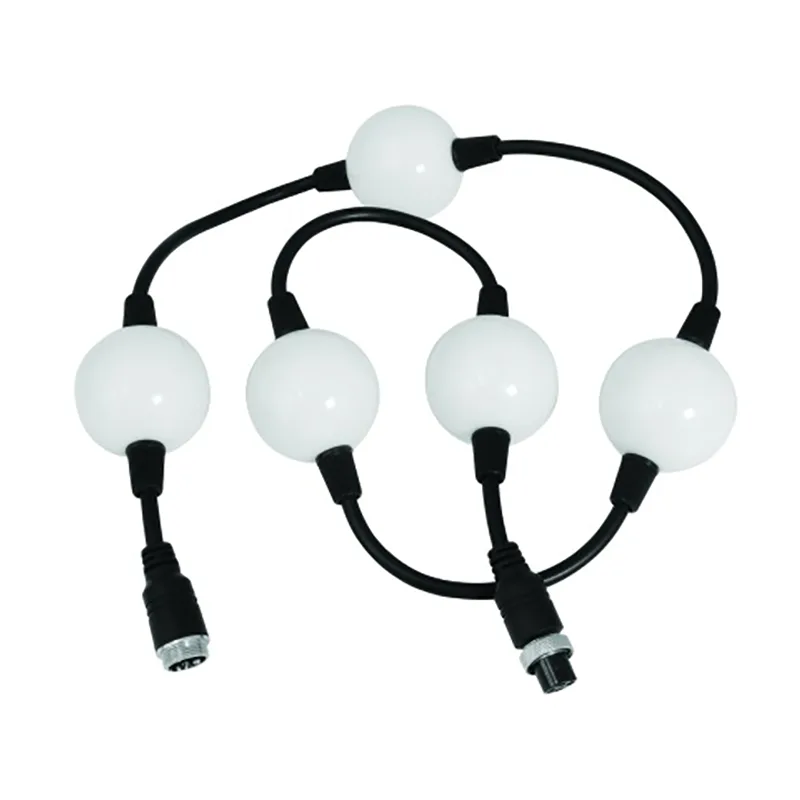
Table of Contents
- 1. What Is an LED 3D Pixel Ball?
- 2. How Does an LED 3D Pixel Ball Work?
- 3. Where Are LED 3D Pixel Balls Commonly Used?
- 4. What Benefits Make LED 3D Pixel Balls So Popular?
- 5. What Types of LED 3D Pixel Balls Are Available?
- 6. LED 3D Pixel Ball vs Traditional Decorative Lighting
- 7. How to Choose the Right LED 3D Pixel Ball?
- 8. Installation Tips for Better Lighting Performance
- 9. Understanding Pixel Ball Control Systems
- 10. Are LED 3D Pixel Balls Suitable for Outdoor Use?
- 11. How to Maintain LED 3D Pixel Ball Systems?
- 12. Common Buying Mistakes to Avoid
- 13. Future Trends in Intelligent Decorative Lighting
- 14. Frequently Asked Questions
- 15. Conclusion
1. What Is an LED 3D Pixel Ball?
An LED 3D Pixel Ball is a spherical lighting fixture embedded with programmable RGB LEDs capable of individually controlled lighting effects. These balls are often suspended in arrays or grids to create immersive visual environments and animated displays.
Unlike conventional lighting products that only provide illumination, pixel balls function as visual communication tools. Each ball acts as an independent pixel capable of displaying different colors and brightness levels. When combined together, they can generate flowing animations, text effects, wave movements, and synchronized music-reactive lighting.
| Feature | Description |
|---|---|
| Lighting Type | Programmable RGB LED |
| Shape | Spherical 3D Ball |
| Control Method | DMX, SPI, Art-Net, SD Controller |
| Applications | Stage, Events, Architecture, Clubs, Advertising |
| Installation | Suspended, Hanging, Grid Mounted |
2. How Does an LED 3D Pixel Ball Work?
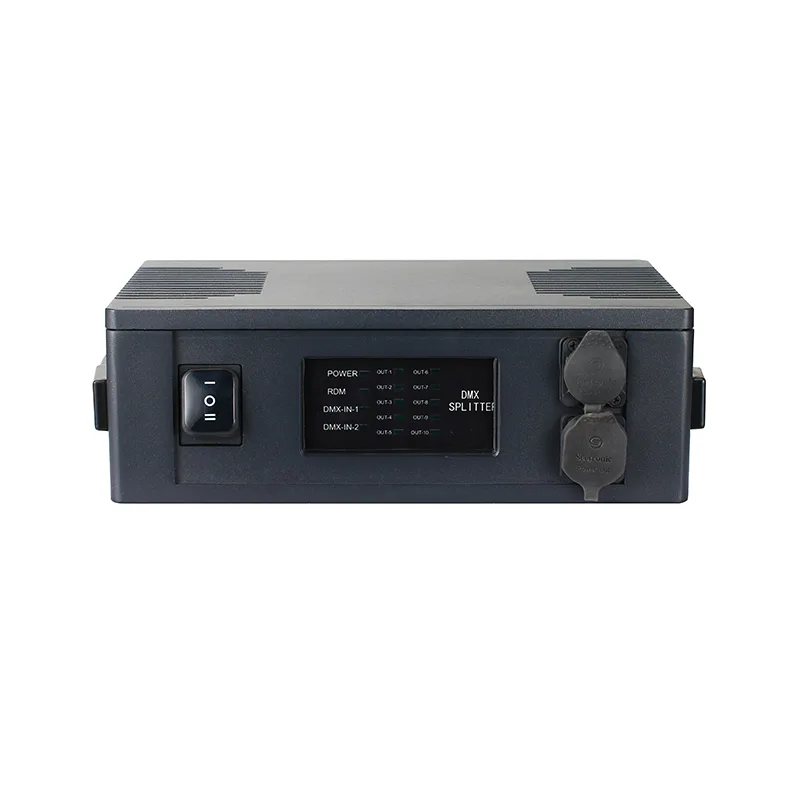
The operation of an LED 3D Pixel Ball system depends on coordinated digital control technology. Each ball contains LEDs and integrated driver chips that receive signals from a controller.
The controller sends data instructions determining:
- Color changes
- Brightness levels
- Animation sequences
- Movement synchronization
- Music interaction effects
- Timing programs
Through advanced programming software, designers can create highly customized lighting scenes for concerts, exhibitions, and architectural displays.
The true power of LED 3D Pixel Ball systems lies in their ability to transform lighting into dynamic visual storytelling rather than static decoration.
3. Where Are LED 3D Pixel Balls Commonly Used?
One of the biggest advantages of LED 3D Pixel Balls is their wide application range. Their flexibility allows designers to create unique visual experiences across multiple industries.
| Industry | Application Scenario |
|---|---|
| Entertainment | Concerts, DJ stages, nightclubs |
| Commercial | Shopping malls, product launches |
| Architecture | Building façade decoration |
| Events | Wedding lighting, festivals |
| Art Installations | Museums, immersive exhibitions |
| Advertising | 3D media displays |
Many modern venues use suspended LED pixel ball matrices to create floating visual environments that instantly capture attention.
4. What Benefits Make LED 3D Pixel Balls So Popular?
The growing popularity of LED 3D Pixel Balls is directly linked to the numerous advantages they provide over conventional lighting systems.
- Immersive Visual Effects: Stunning three-dimensional animations attract audiences immediately.
- Flexible Installation: Easy to suspend in different shapes and patterns.
- Energy Efficiency: LED technology reduces power consumption.
- Long Lifespan: High-quality LEDs can operate for tens of thousands of hours.
- Customizable Programming: Supports endless creative possibilities.
- Low Maintenance: Durable materials reduce repair frequency.
- Scalable Design: Suitable for both small and large projects.
For businesses, these advantages translate into lower operational costs and stronger audience engagement.
5. What Types of LED 3D Pixel Balls Are Available?
Different projects require different specifications. Choosing the correct type is essential for achieving the desired lighting effect.
| Type | Characteristics | Best For |
|---|---|---|
| Small Pixel Ball | Compact size, lightweight | Indoor decoration |
| Large Pixel Ball | High visibility | Concert stages |
| Waterproof Pixel Ball | Outdoor resistant | Building façades |
| Transparent Ball | Modern visual appearance | Art installations |
| High Brightness Ball | Enhanced illumination | Outdoor advertising |
6. LED 3D Pixel Ball vs Traditional Decorative Lighting
| Factor | LED 3D Pixel Ball | Traditional Lighting |
|---|---|---|
| Visual Dynamics | Programmable animations | Static effects |
| Energy Consumption | Low | Higher |
| Creative Flexibility | Very High | Limited |
| Audience Interaction | Excellent | Basic |
| Maintenance | Lower | Higher |
| Installation Scalability | Flexible | Restricted |
This comparison explains why LED pixel systems are rapidly becoming the preferred solution for modern lighting projects.
7. How to Choose the Right LED 3D Pixel Ball?
Selecting the right product involves more than comparing prices. Buyers should evaluate several technical and practical factors.
- Ball diameter and visibility requirements
- Indoor or outdoor installation environment
- Brightness level requirements
- Control protocol compatibility
- Voltage and power consumption
- Cable quality and waterproof rating
- Ease of maintenance
- Warranty support
High-quality products usually provide stable signal transmission, consistent color rendering, and superior durability.
For large projects, choosing reliable manufacturers can significantly reduce future maintenance risks and installation problems.
8. Installation Tips for Better Lighting Performance
Proper installation is critical for maximizing lighting quality and ensuring long-term system stability.
Key installation recommendations include:
- Plan the layout carefully before installation.
- Ensure stable power distribution.
- Use professional suspension systems.
- Avoid excessive cable tension.
- Protect connectors from moisture.
- Test control synchronization before final setup.
- Maintain proper spacing between pixel balls.
A well-designed installation improves both visual consistency and operational safety.
9. Understanding Pixel Ball Control Systems
Control systems are the brain behind LED 3D Pixel Ball installations. The right controller determines how advanced and synchronized the lighting effects can become.
| Control Protocol | Advantages |
|---|---|
| DMX512 | Professional stage lighting standard |
| SPI | Simple and efficient control |
| Art-Net | Large-scale network lighting projects |
| SD Card Controller | Offline playback capability |
Professional lighting designers often use software programming to synchronize pixel ball effects with music and video content.
10. Are LED 3D Pixel Balls Suitable for Outdoor Use?
Yes, many LED 3D Pixel Balls are specifically designed for outdoor environments. Waterproof models feature sealed structures and durable materials capable of resisting rain, dust, and UV exposure.
When choosing outdoor products, buyers should verify:
- IP65 or higher waterproof rating
- UV-resistant housing material
- Temperature resistance range
- Outdoor-certified connectors
- Stable waterproof cable systems
Outdoor LED pixel ball systems are commonly used in tourism projects, commercial plazas, and architectural lighting installations.
11. How to Maintain LED 3D Pixel Ball Systems?
Routine maintenance can dramatically extend product lifespan and maintain optimal lighting quality.
Recommended maintenance practices include:
- Regular cleaning of ball surfaces
- Inspection of wiring connections
- Checking waterproof seals
- Monitoring controller stability
- Replacing damaged connectors promptly
- Updating lighting programs when necessary
Preventive maintenance is often more cost-effective than emergency repairs.
12. Common Buying Mistakes to Avoid
Many buyers focus only on price while ignoring long-term performance factors. This can lead to serious operational problems later.
| Mistake | Potential Problem |
|---|---|
| Choosing low-quality LEDs | Color inconsistency and early failure |
| Ignoring waterproof rating | Outdoor damage risk |
| Improper power planning | System instability |
| Using incompatible controllers | Programming limitations |
| Ignoring after-sales support | Difficult maintenance process |
13. Future Trends in Intelligent Decorative Lighting
The future of LED decorative lighting is moving toward smarter, more interactive experiences. LED 3D Pixel Balls are expected to play a major role in this transformation.
Emerging trends include:
- AI-driven lighting synchronization
- Interactive audience-responsive systems
- Wireless smart control platforms
- Energy-saving intelligent management
- Immersive virtual reality integration
- Large-scale architectural media displays
As entertainment and commercial spaces continue evolving, intelligent lighting systems will become increasingly important for delivering memorable experiences.
14. Frequently Asked Questions
Q1: How long do LED 3D Pixel Balls last?
High-quality LED pixel balls can typically operate for 30,000 to 50,000 hours depending on usage conditions and maintenance.
Q2: Can LED 3D Pixel Balls be customized?
Yes. Size, cable length, voltage, control protocol, housing material, and lighting effects can often be customized according to project requirements.
Q3: Are they difficult to install?
Installation complexity depends on project scale. Small decorative setups are relatively simple, while large synchronized systems require professional installation planning.
Q4: What is the best control system for large projects?
Art-Net and DMX systems are commonly preferred for large-scale professional lighting installations because of their stability and scalability.
Q5: Can LED 3D Pixel Balls synchronize with music?
Yes. Advanced controllers and software allow synchronization with music rhythms and stage performances.
15. Conclusion
LED 3D Pixel Ball technology has completely changed the way designers approach decorative and interactive lighting. By combining intelligent control systems, energy-efficient LED technology, and immersive visual creativity, these products provide exceptional value across entertainment, architecture, commercial advertising, and event industries.
Whether you are designing a concert stage, creating a media façade, decorating a shopping mall, or planning an immersive art installation, LED 3D Pixel Balls offer the flexibility and visual impact necessary to stand out in competitive environments.
Choosing reliable products and experienced suppliers is essential for ensuring long-term performance, safety, and visual consistency.
Foshan AK Lighting Co., Ltd. specializes in innovative LED decorative lighting solutions including high-performance LED 3D Pixel Ball systems for stages, architecture, commercial displays, and entertainment venues.
Our professional team can provide customized lighting solutions, technical support, and reliable manufacturing services tailored to your project needs.
Contact us today to discuss your next creative lighting project.
Related News
- The features of the LED Stage Reflector Light.
- The advantages of LED Pixel Strobe Stage Light.
- The advantages of Battery Wireless LED.
- The features of the LED 2-in-1 Stage Color Light Bar.
- How Does LED Festoon2 Pixel Bulb RGB Create Smarter and More Attractive Lighting Experiences?
- Why Is a Battery Wireless LED Effect Light Essential for Modern Events, Entertainment, and Creative Lighting?
Leave me a message