
Why Does an Art-Net to DMX Converter IP Transform Modern Lighting Control Systems Efficiency?
In today’s professional lighting industry, digital networking has completely changed how stage lighting, architectural illumination, and entertainment systems are controlled. One of the most critical devices enabling this transformation is the Art-Net to DMX Converter IP. This article explores how this technology bridges Ethernet-based lighting protocols with traditional DMX512 systems, allowing seamless integration, improved scalability, and enhanced control precision. Whether you are a lighting engineer, system integrator, or venue operator, understanding this device is essential for optimizing performance and reducing operational complexity.
This guide provides a comprehensive breakdown of working principles, configuration methods, application scenarios, troubleshooting insights, and purchasing considerations. It also includes structured tables, FAQs, and real-world implementation guidance to help users maximize system performance.
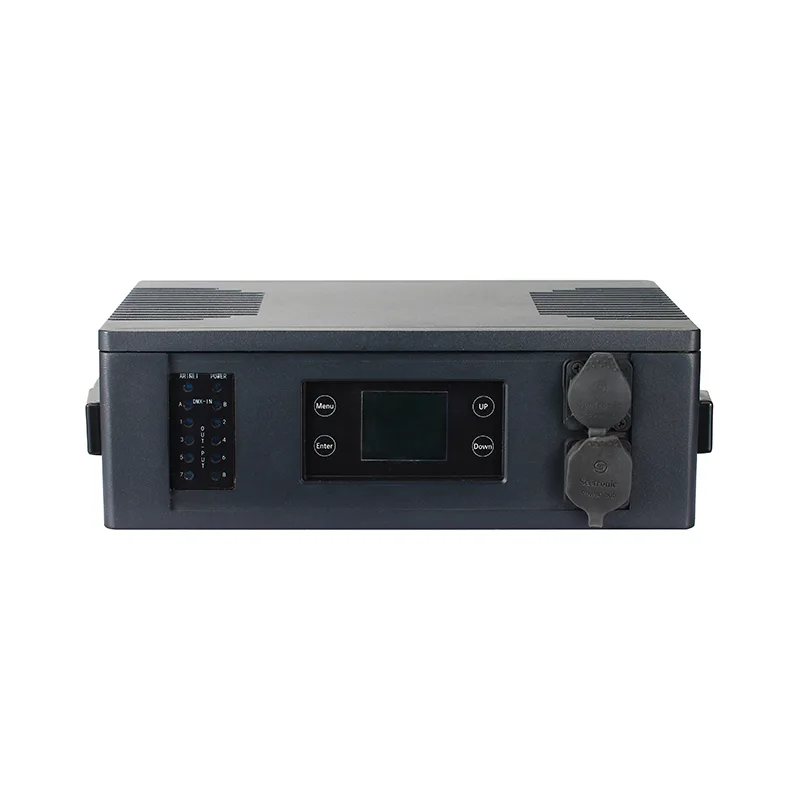
Table of Contents
- Project Overview & Structure
- Understanding Art-Net and DMX Protocols
- Role of Art-Net to DMX Converter IP
- System Architecture and Signal Flow
- Key Features and Advantages
- Industry Applications
- Installation and Configuration Guide
- Common Issues and Troubleshooting
- Technology Comparison Table
- How to Choose the Right Converter
- Future Trends in Lighting Control Networks
- Frequently Asked Questions
- Final Conclusion
Project Overview & Structure
Before diving into technical details, it is important to understand how this article is structured. We begin with foundational knowledge of Art-Net and DMX protocols, then explore how the Art-Net to DMX Converter IP functions as a bridge between them. Next, we examine system design, real-world applications, setup instructions, and troubleshooting strategies. Finally, we analyze market selection criteria and future technological trends.
Understanding Art-Net and DMX Protocols
To fully understand the value of an Art-Net to DMX Converter IP, we must first examine the two core technologies it connects: Art-Net and DMX512.
What is DMX512?
DMX512 (Digital Multiplex) is a widely used protocol in lighting control systems. It allows a controller to manage up to 512 channels per universe, typically used for dimmers, moving heads, LED fixtures, and stage effects.
- Serial communication protocol
- Single-direction signal flow
- Limited cable distance (~300 meters without repeaters)
- Highly reliable for simple lighting setups
What is Art-Net?
Art-Net is an Ethernet-based protocol developed to transmit DMX data over IP networks. It enables multiple DMX universes to be sent over standard network infrastructure.
- Runs over UDP/IP
- Supports multiple universes simultaneously
- Allows remote control over LAN or WAN
- Highly scalable for large installations
Role of Art-Net to DMX Converter IP
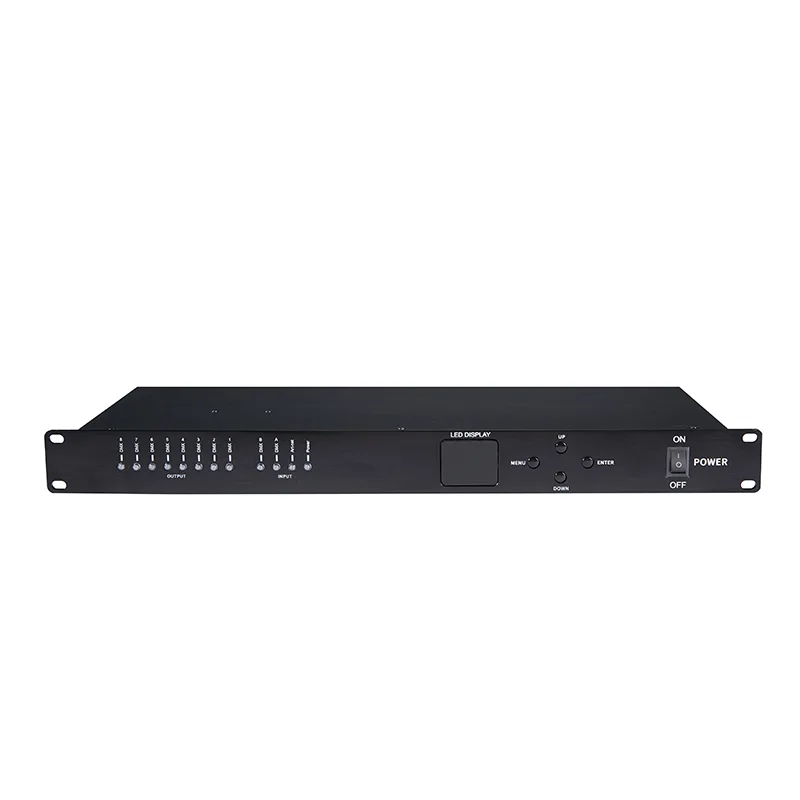
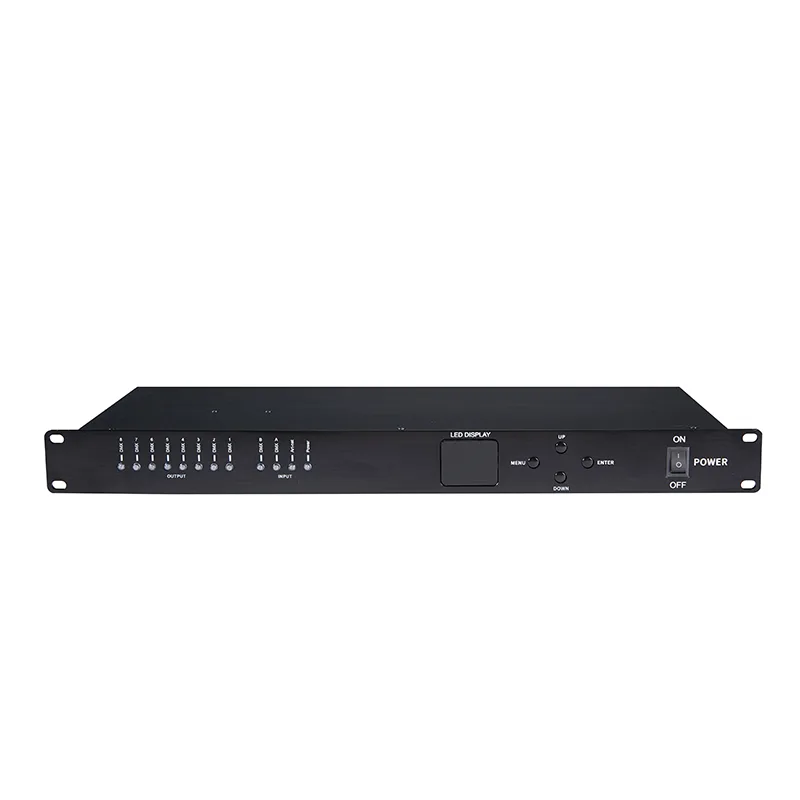
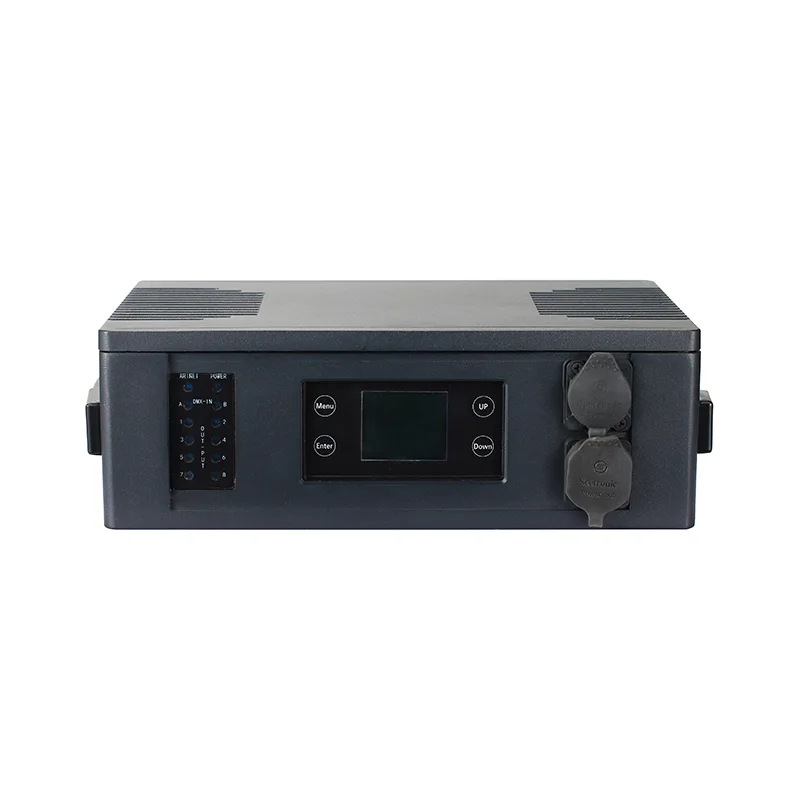
The Art-Net to DMX Converter IP is a critical bridge device that converts Ethernet-based Art-Net signals into traditional DMX512 signals. This enables modern lighting software to control legacy DMX fixtures seamlessly.
Without this converter, Art-Net data cannot be interpreted by DMX lighting fixtures. The device ensures compatibility between digital network systems and physical lighting hardware.
Core Functions
- Converts Art-Net packets into DMX512 signals
- Supports multiple DMX universes
- Provides IP-based configuration interface
- Enables remote system management
System Architecture and Signal Flow
A typical lighting system using an Art-Net to DMX Converter IP follows a structured signal flow from control software to lighting fixtures.
Signal Flow Breakdown
- Lighting Control Software (PC or console)
- Ethernet Network (Switch or Router)
- Art-Net Data Transmission
- Art-Net to DMX Converter IP Device
- DMX Output to Lighting Fixtures
Architecture Table
| Component | Function |
|---|---|
| Lighting Console | Generates control signals and lighting cues |
| Network Switch | Distributes Art-Net data across system |
| Converter IP Device | Translates Art-Net into DMX512 output |
| DMX Fixtures | Execute lighting commands |
Key Features and Advantages
Modern Art-Net to DMX Converter IP devices offer a range of advanced features designed for professional environments.
Main Advantages
- Seamless integration between IP and DMX systems
- Reduced cabling complexity
- Improved scalability for large venues
- Remote configuration via web interface
- High stability and low latency signal conversion
Operational Benefits
These devices significantly reduce installation time and allow centralized control of distributed lighting systems. They also improve flexibility in stage design and architectural lighting projects.
Industry Applications
The Art-Net to DMX Converter IP is widely used across multiple industries due to its versatility.
Key Application Areas
- Live concert lighting systems
- Theater and stage productions
- TV studios and broadcasting
- Architectural lighting control
- Theme parks and entertainment venues
- Nightclubs and event halls
Real-World Example
In a concert venue, lighting designers can control hundreds of DMX fixtures using a single software interface connected through an IP network. The converter ensures stable output to all stage lighting equipment without signal degradation.
Installation and Configuration Guide
Proper installation ensures optimal performance of the Art-Net to DMX Converter IP.
Step-by-Step Setup
- Connect the device to a power source
- Link Ethernet cable to network switch
- Assign IP address via configuration interface
- Map Art-Net universes to DMX outputs
- Connect DMX output to lighting fixtures
Configuration Tips
- Use static IP for stable network communication
- Ensure correct universe mapping
- Match DMX channel settings with lighting fixtures
- Test signal output before live operation
Common Issues and Troubleshooting
Even advanced systems may experience operational challenges. Below are common issues and solutions.
Problem-Solution Table
| Issue | Possible Cause | Solution |
|---|---|---|
| No DMX Output | Incorrect universe mapping | Verify software configuration |
| Signal Delay | Network congestion | Optimize network bandwidth |
| Flickering Lights | Loose DMX connection | Check cabling and termination |
Technology Comparison Table
| Feature | DMX Only System | Art-Net + Converter System |
|---|---|---|
| Scalability | Limited | High |
| Control Distance | Short | Global (via network) |
| Flexibility | Low | Very High |
| Installation Complexity | High cabling | Reduced cabling |
How to Choose the Right Converter
Selecting the right Art-Net to DMX Converter IP depends on system size and application requirements.
Selection Criteria
- Number of DMX universes supported
- Network stability and compatibility
- Web-based configuration features
- Build quality and durability
- Latency performance
Professional installations should prioritize devices with multi-universe support and robust IP management systems.
Future Trends in Lighting Control Networks
The evolution of lighting systems is moving toward fully IP-based ecosystems. The Art-Net to DMX Converter IP is expected to remain a key transitional technology.
Emerging Trends
- Integration with cloud-based lighting control
- Wireless Art-Net transmission systems
- AI-driven lighting automation
- Hybrid DMX and Ethernet ecosystems
As technology advances, lighting systems will become more intelligent, flexible, and interconnected.
Frequently Asked Questions
What is an Art-Net to DMX Converter IP used for?
It is used to convert Ethernet-based Art-Net lighting signals into DMX512 signals for controlling lighting fixtures.
Can it support multiple lighting universes?
Yes, most modern devices support multiple DMX universes, allowing large-scale lighting control systems.
Is network knowledge required for setup?
Basic understanding of IP addressing and network configuration is helpful but not mandatory for most plug-and-play devices.
Where is this device commonly used?
It is widely used in concerts, theaters, studios, architectural lighting, and entertainment venues.
Final Conclusion
The Art-Net to DMX Converter IP plays a crucial role in modern lighting infrastructure by bridging traditional DMX systems with advanced IP-based control networks. It enables scalable, flexible, and efficient lighting management across a wide range of industries. As lighting systems continue to evolve, this technology remains a foundational component for professional installations.
For high-quality lighting control solutions and professional consultation, Foshan AK Lighting Co., Ltd. provides reliable products designed for demanding applications. If you are looking to upgrade your lighting system or need expert guidance, feel free to contact us for tailored solutions and technical support.
Related News
- The features of the LED Stage Reflector Light.
- The advantages of LED Pixel Strobe Stage Light.
- The advantages of Battery Wireless LED.
- The features of the LED 2-in-1 Stage Color Light Bar.
- How Does LED Festoon2 Pixel Bulb RGB Create Smarter and More Attractive Lighting Experiences?
- Why Is a Battery Wireless LED Effect Light Essential for Modern Events, Entertainment, and Creative Lighting?
Leave me a message